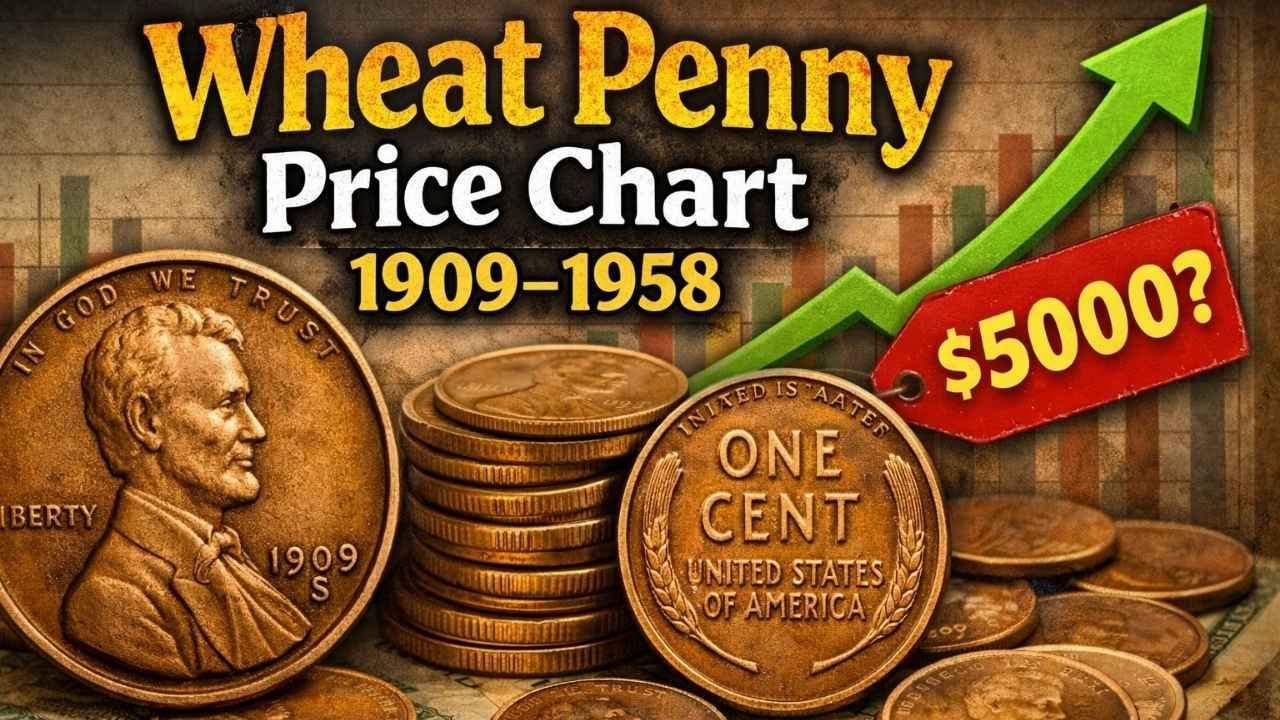
The Lincoln Wheat Penny is more than just a coin—it is a tangible piece of American history spanning from 1909 to 1958. Valued for its iconic design, its connection to Abraham Lincoln, and the thrill of hunting rare dates and mint marks, the Wheat Penny has captivated collectors for generations. This guide provides a comprehensive year‑by‑year price chart, helping collectors understand which coins hold the greatest value and how to navigate the world of numismatics.
How Values Are Determined
The worth of a Wheat Penny is influenced by several key factors:
- Condition: Circulated coins show wear and have lower value, while uncirculated examples can command significant premiums.
- Rarity: Coins with low mintage, minting errors, or unique characteristics are highly sought after.
- Mint Marks: Philadelphia coins carry no mark, Denver coins show a “D,” and San Francisco coins bear an “S.” Scarcity of certain mint marks often drives value higher.
- Collector Demand: Popular coins with historical or visual appeal often appreciate faster.
Understanding these factors allows collectors to make informed decisions when building or investing in a Wheat Penny collection.
1909 to 1919: Early Rarities
The first decade of the Lincoln cent introduced some of the most legendary coins:
- 1909 VDB: Circulated $10–$25 | Uncirculated $50+
- 1909 S VDB: Circulated $600+ | Uncirculated $2,000+
- 1914 D: Circulated $150+ | Uncirculated $1,000+
- 1917 & 1918 Common Dates: Circulated $0.50–$2 | Uncirculated $20+
The 1909 S VDB stands out as the crown jewel, while the 1914 D is highly prized for its low mintage and historical significance.
1920 to 1929: Unique Minting Anomalies
The 1920s introduced coins with fascinating quirks:
- 1922 No D: Circulated $500+ | Uncirculated $2,000+
- 1924 D: Circulated $30+ | Uncirculated $200+
- 1926 S: Circulated $20+ | Uncirculated $150+
- Common 1920s Dates: Circulated $0.25–$1 | Uncirculated $10+
The 1922 No D penny is legendary, a product of worn dies at the Denver Mint that created a true minting anomaly.
1930 to 1939: The Depression Era Coins
Economic hardship influenced coin production in the 1930s, creating scarcity for certain years:
- 1931 S: Circulated $40+ | Uncirculated $150+
- Other 1930s Dates: Circulated $0.10–$0.50 | Uncirculated $5–$15
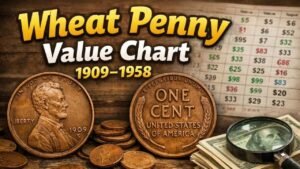
The 1931 S remains a standout, with its low mintage reflecting the challenging conditions of the Great Depression.
1940 to 1949: Wartime Coins and Rare Errors
World War II brought unique production changes:
- 1943 Steel Cents: Circulated $0.25–$1 | Uncirculated $5+
- 1943 Copper Penny: Extremely rare, values $50,000+
- Other 1940s Dates: Circulated $0.05–$0.25 | Uncirculated $2–$10
The 1943 steel penny is iconic, while the rare 1943 copper variant is one of the most valuable Lincoln cents in history.
1950 to 1958: Iconic Minting Errors
The 1950s saw the emergence of one of the most famous error coins:
- 1955 Doubled Die Obverse: Circulated $1,000+ | Uncirculated $5,000+
- Common 1950s Dates: Circulated $0.05–$0.20 | Uncirculated $1–$5
The 1955 doubled die is notable for its dramatic doubling of the date and lettering, captivating collectors with its striking appearance.
Collector Tips for Building a Wheat Penny Collection
- Begin with affordable coins from the 1940s and 1950s to build confidence and experience.
- Gradually seek out scarcer dates such as the 1924 D or 1931 S for investment potential.
- Store coins in protective holders to prevent damage and preserve value.
- Consider professional grading for rare or high-value pieces to enhance credibility and resale potential.
- Study mint marks and production variations to identify hidden rarities.
Conclusion
The Wheat Penny series offers something for everyone, from beginner collectors enjoying common dates to seasoned numismatists chasing legendary rarities. With patience, research, and careful preservation, assembling a Wheat Penny collection becomes a rewarding journey through American history. Coins like the 1909 S VDB and the 1955 doubled die serve not only as collectible treasures but also as tangible links to the past, offering both aesthetic pleasure and potential financial value. Whether your goal is historical appreciation or strategic investment, the Wheat Penny remains a timeless icon of American coinage.