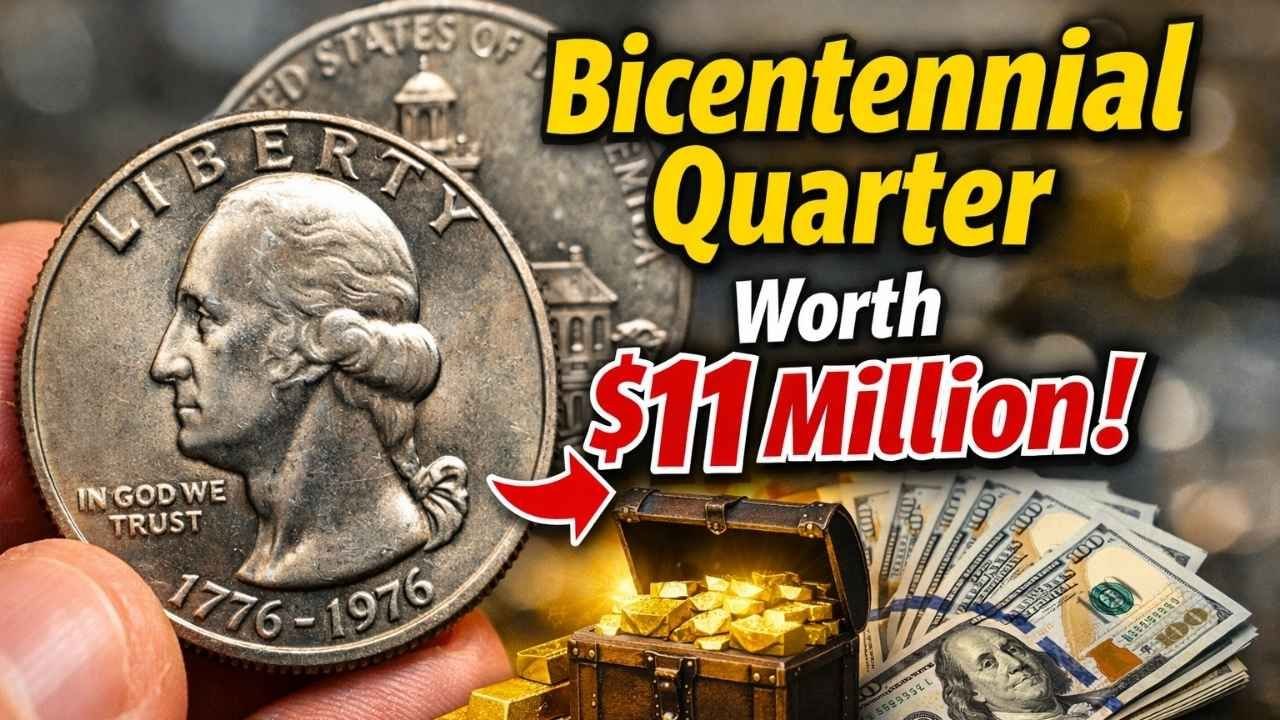
Coins are far more than currency—they are tiny time capsules that capture history, artistry, and culture. Among them, rare editions have fascinated collectors and treasure hunters for decades. One of the most intriguing possibilities is that a rare bicentennial quarter, potentially worth millions, could be hiding unnoticed in a pocket, wallet, or old coin jar. The notion excites both casual collectors and serious numismatists, raising questions about how such a coin could exist and why its value is so extraordinary.
The Fascination with Bicentennial Coins
Bicentennial coins were issued in 1975 and 1976 to celebrate the 200th anniversary of American independence. The bicentennial quarter, in particular, replaced the traditional eagle design on the reverse with a colonial drummer, symbolizing patriotism and the nation’s revolutionary history. While millions were minted, a few rare varieties and errors have become exceptionally valuable, capturing the imagination of collectors worldwide.
What Makes a Coin Valuable

Several factors determine a coin’s value.
- Rarity: Coins owned by only a few collectors are naturally more desirable.
- Condition: Pristine, well-preserved coins command higher prices than those with wear or damage.
- Historical Significance: Bicentennial quarters already hold cultural importance, increasing their appeal.
- Minting Errors: Double strikes, off-center designs, or unusual metal compositions can transform a coin from ordinary to extraordinary.
In some cases, these errors are so rare that only a handful exist globally, making them extremely valuable to collectors.
Stories of Hidden Treasure Coins
History is full of remarkable coin discoveries. Rare pennies and quarters have surfaced in couch cushions, old coin jars, and family heirlooms. One famous example is the 1955 doubled-die penny, initially worth one cent but later selling for thousands when discovered in circulation. Similarly, a bicentennial quarter with an unusual minting error could hold a multi-million-dollar value, waiting to be found by a perceptive collector.
How to Identify a Valuable Bicentennial Quarter

Not every bicentennial quarter is worth millions. Most remain common and of nominal value. However, collectors can look for clues:
- Mint Marks: Some mints produced far fewer coins than others. Coins from these facilities can be significantly more valuable.
- Errors and Variations: Misaligned designs, missing elements, or doubled images indicate rarity.
- Condition: Coins in mint state without scratches, discoloration, or dents are far more valuable.
Professional grading services provide certified assessments, confirming authenticity and helping establish market value. Collectors also use magnification tools to inspect subtle details invisible to the naked eye, as minor differences in lettering, alignment, or composition can make a huge difference.
The Allure for Treasure Hunters
The possibility of discovering a coin worth millions in everyday change captures the imagination. Treasure hunters are drawn to the thrill of chance—the idea that an ordinary-looking quarter could be revealed as a priceless artifact. Bicentennial quarters are ideal for this kind of hunt because, while many exist in circulation, rare variations are highly coveted.

This fascination fuels a broader community of collectors and enthusiasts who trade coins, research minting histories, and hunt for hidden gems. The pursuit blends history, science, and luck, making coin collecting an enduring and sometimes life-changing endeavor.
Impact of a Rare Discovery
Finding a rare bicentennial quarter could have profound effects. Financially, it could transform someone’s life overnight. Collectors and auction houses would engage in intense competition, driving prices higher. Beyond monetary gain, discovering such a coin brings recognition within the numismatic community and often attracts media attention.
However, proper authentication and grading are crucial. Without verification, even a rare coin may fail to reach its true market value. Professional appraisers and grading companies ensure coins are genuine, accurately assessed, and ready for collectors or sale.
Protecting and Preserving Coins
Proper handling is essential for preserving a coin’s value. Coins should never be cleaned with abrasive materials, which can damage surfaces. Protective cases or holders prevent scratches and environmental damage, while keeping detailed records—including acquisition dates and certificates of authenticity—enhances credibility and resale potential.
Joining numismatic societies or online forums offers access to expert advice, historical context, and grading resources. Educating oneself about coin history, minting errors, and condition standards increases the likelihood of spotting a high-value bicentennial quarter.
Could Your Pocket Hold a Fortune?
While the odds of finding a bicentennial quarter worth millions are slim, history shows that rare coins can surface unexpectedly. The excitement lies in the hunt—the possibility that a coin you overlook could become a once-in-a-lifetime discovery. Every coin becomes a portal to history, heritage, and potential fortune for those who remain observant and informed.
Final Thoughts
The dream of discovering a bicentennial quarter worth millions persists because the reward is extraordinary. Whether tucked in a coin jar, wallet, or forgotten pocket, these coins embody history, artistry, and potential wealth. Collectors and treasure hunters continue to search with curiosity and diligence, reminding us that everyday objects can sometimes conceal astonishing stories and immense value.
Being knowledgeable, observant, and cautious is the first step toward uncovering these hidden treasures, and the next rare bicentennial quarter might be closer than anyone expects.