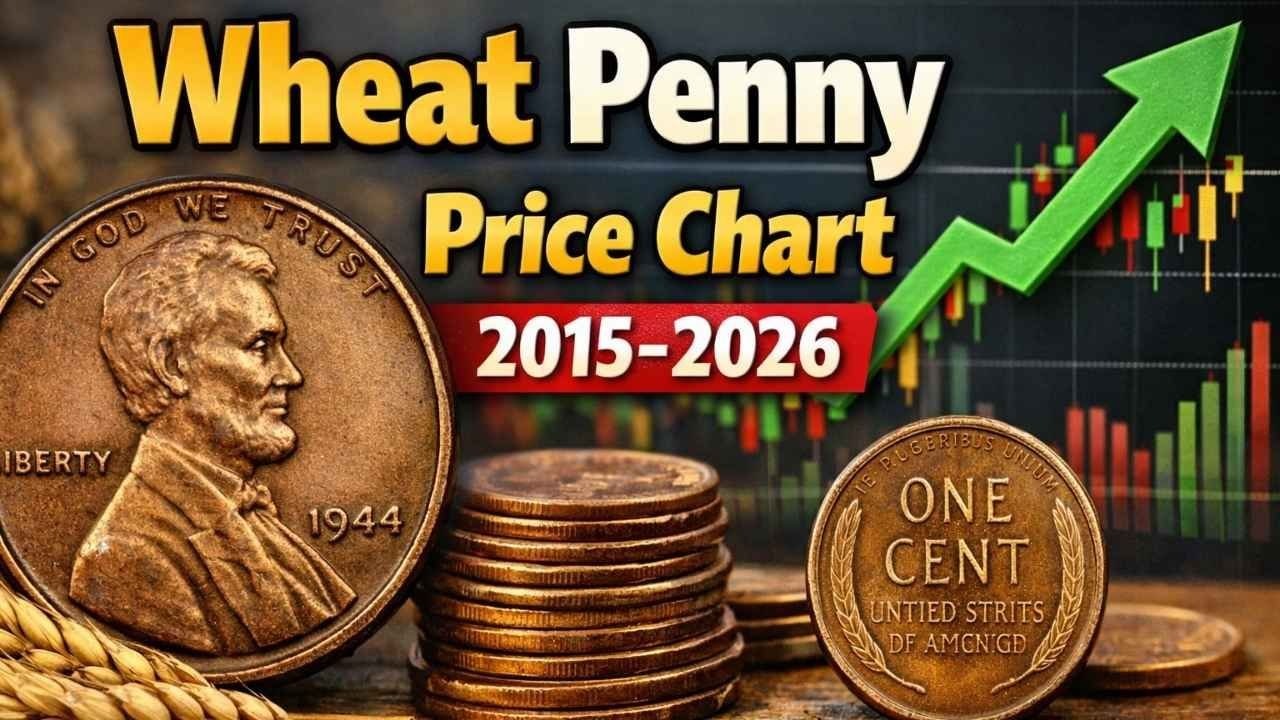
Wheat Pennies, officially known as Lincoln Wheat Cents, remain a cornerstone of American coin collecting. Originally minted in 1909 to commemorate Abraham Lincoln’s centennial, these coins feature Lincoln’s portrait on the obverse and two wheat stalks on the reverse, symbolizing prosperity and agriculture. While most Wheat Pennies circulate at face value, rare varieties, mint errors, and pristine examples have transformed certain coins into highly valuable collectibles. From 2015 through 2026, Wheat Penny values have shown compelling trends, reflecting growing collector interest and market demand.
The Historical Significance of Wheat Pennies
Designed by Victor David Brenner, the Lincoln Wheat Cent was the first U.S. coin to feature a real person’s likeness. Its classic design and historical connection to Lincoln make it a favorite among collectors. Over the years, fluctuations in demand, rarity, and coin condition have influenced values. Special minting years and production errors, in particular, have created coins worth hundreds or even thousands of dollars, transforming everyday pocket change into prized numismatic treasures.
Why Wheat Pennies Can Be Valuable

Several factors contribute to a Wheat Penny’s value:
- Low Mintage Years: Coins from years with limited production are particularly scarce.
- Minting Errors: Double dies, off-center strikes, and missing details increase desirability.
- Key Varieties: Certain coins, such as the 1909-S VDB, are legendary among collectors.
- Pristine Condition: Coins with sharp detail and minimal wear fetch higher prices.
Understanding these factors is crucial for collectors looking to identify coins with strong historical and financial value.
The Role of Mint Marks
Mint marks play a pivotal role in determining rarity. Philadelphia coins carry no mint mark, Denver coins bear a “D,” and San Francisco coins display an “S.” San Francisco issues are often rarer and command higher premiums. Observing and identifying mint marks is essential for collectors seeking to complete sets or locate valuable varieties.
Wheat Penny Value Trends: 2015–2026

Between 2015 and 2026, Wheat Penny values experienced steady growth, fueled by renewed interest in coin collecting, the scarcity of high-grade coins, and increased auction activity. Rare varieties and well-preserved examples consistently commanded higher prices, reflecting a robust collector market.
Year-by-Year Highlights
2015 – Common circulated coins ranged from a few cents to a dollar, while key dates such as the 1909-S VDB and 1914-D commanded hundreds or thousands of dollars. Mint errors gained particular attention.
2016 – Collector demand surged, driving prices for rare varieties upward. High-grade coins reached new auction highs, while common dates remained stable.
2017 – The market for mint errors expanded, with collectors paying premiums for unusual varieties. Key dates maintained strong value, and pristine coins became increasingly sought after.
2018 – Continued growth in demand for semi-key and rare coins. Collectors focused on completing sets, pushing prices for high-quality coins higher.
2019 – Wheat Pennies were firmly established as valuable collectibles. Auction records highlighted strong demand for rare varieties and high-grade coins.
2020 – Interest in coin collecting surged amid global events, leading to increased values for rare and pristine coins alike.
2021 – Key dates and mint errors remained in high demand, with mint state coins achieving notable premiums at auction.
2022 – Prices stabilized for common dates, while rare varieties continued to climb, particularly those in near-perfect condition.
2023 – Continued growth in collector interest drove values higher for mint errors and key dates. Auction records reflected strong market confidence.
2024 – Collectors pursued semi-key dates to complete sets, pushing demand and prices upward. Pristine examples commanded substantial premiums.
2025 – Wheat Pennies gained recognition as viable investment pieces. Rare varieties and mint state coins achieved strong market performance.
2026 – Values remain robust, with collectors willing to pay significant premiums for rare coins, mint errors, and pristine specimens. The market reflects sustained interest and active participation from both seasoned and new collectors.
The Importance of Coin Grading
Professional grading services are essential for determining the true value of Wheat Pennies. Coins are evaluated on a 1–70 scale, with higher grades reflecting superior condition. Grading authenticates coins and enhances market credibility, allowing collectors to maximize returns on rare or high-quality pieces.
Auction Records and Market Insights
Between 2015 and 2026, rare Wheat Pennies such as the 1909-S VDB, 1914-D, and 1922 No D have sold for thousands of dollars at auction. Market trends indicate that demand continues to grow, driven by both seasoned collectors and new entrants to the hobby. Pristine coins, mint errors, and low-mintage varieties consistently outperform common issues.
Collector Tips for Wheat Pennies
- Regularly check pocket change and old coin jars for hidden treasures.
- Learn to identify key varieties and mint errors.
- Use magnification tools to inspect coins closely.
- Store coins in protective holders to prevent damage.
- Consider professional grading for rare or high-value finds.
Following these practices increases the likelihood of discovering valuable coins and preserving their condition.
The Future of Wheat Penny Collecting
As circulating coins wear and rare varieties become scarcer, the long-term value of Wheat Pennies is expected to rise. Collectors continue to hoard and protect rare coins, further driving demand. The hobby offers both financial potential and historical appreciation, ensuring that Wheat Penny collecting remains a rewarding pursuit.
Conclusion
Wheat Pennies are far more than everyday coins; they are pieces of history and potential treasures. From legendary rarities like the 1909-S VDB and 1914-D to intriguing mint errors and pristine modern examples, these coins offer collectors and investors opportunities for discovery, preservation, and financial gain. With knowledge, vigilance, and careful curation, Wheat Penny collecting continues to be one of the most exciting and rewarding pursuits in the world of numismatics.